
Author: Laurie Rowley

How Companies can Improve Recruitment and Retention Without Increasing Cost

Recruitment and retention of talent is important whether you’re facing a global pandemic, a looming recession, a hot job market, or another headwind. But raising wages isn’t always an option and we’re here to tell you: that’s ok. 

You don’t have to raise wages to get and keep good people. Why? Because wages are not the most important factor when it comes to recruitment and retention. Research has shown that people want to feel valued, appreciated and acknowledged for their contribution; for who they are. People want to feel seen at their jobs and companies that can accomplish this see a higher lift in retention than those that simply raise wages.

So how do you make your employees feel valued, appreciated and acknowledged? You offer benefits that help solve the challenges they face, you communicate those benefits in a way that allows employees to see their value, you engage your employees on a human level, and you measure your efforts to see what’s been successful and what hasn’t.

Offer the Right Benefits

Benefits are the second most important factor when candidates choose a job and trust and engagement with the company are among the most important reasons they stay. And since utilization of benefits is one of the most important ways employees engage with a company, it’s important to put together the right benefits package for your employees. This is how you do that:  

  1. Regularly survey your employees. You can ask them the specifics like: “Do you want a PPO or an HMO?” but don’t stop there. Ask them about their emotions and behavioral factors as well. Ask questions like, “How much stress do you feel in your everyday life?” And, “What are your top concerns for your goals for the next year?” By asking broader questions about employees’ lives, stressors and emotional states, you can craft a benefits package that will bring real value to their lives. This will increase their trust that the company cares about them and increase their engagement with the company by ensuring they use the benefits that are being offered.
  2. Simplify your benefits. At Icon, we’ve seen that people across the income spectrum (even those at the lowest end) will save for retirement if the savings program is easy to use and understand as well as automatic. So audit your benefits offerings and ask yourself, “Have we provided a way for people to automatically save for their future?” And, “Is our benefits portal easy to use and understand?” 
  3. Give them a way to save. Financial stress is at an all time high with 73% of employees reporting that they feel this type of stress on a regular basis. It contributes to absenteeism and presenteeism (where people are present at work but not productive) which costs companies an estimated $4.7 billion per week. By giving employees an easy, low-cost, and automatic way to save for their future, like with an Icon Savings Plan, you can help them get on solid financial footing and lower that stress. 
  4. Make sure you’re not paying too much. The cost of offering different benefits will vary depending on the benefit type and the size of your company. But the average 50 person company shouldn’t pay more than $2,500-3,000 annually to offer a retirement savings plan. Icon’s retirement savings plan is the most affordable way to offer your employees a retirement benefit.

Increasing or changing your benefits offerings might seem like it adds to your operational costs, but each employee you lose will cost the company between 6 and 9 months’ salary (on average) to replace them. So if you can keep more people by adding a benefit they value, it could actually save you money in the long run.

Communicate Those Benefits Clearly

Sometimes employee satisfaction with (and utilization of) benefits is low because your people haven’t made the connection between the benefit itself and the value it can bring to their lives. One of the easiest and low-cost ways to help them make that connection is to change how you communicate about your offerings. You want your communication around your benefits package to be:

  1. Clear, using jargon-free language.
  2. In a medium that works for their demographic. Options are digital resources, physical brochures, live events, etc.
  3. Connected to the emotional, human side of the benefit.
  4. Use testimonials and case studies when you can.

At Icon, we offer the full spectrum of communication materials so that when we onboard a new customer, we can meet their communication needs. We infuse our communications with behavioral finance research and simple messaging to drive home the value of the benefit. This improves retention efforts because it:

  1. Increases employee trust. When employees make the connection between the benefit they’re being offered and the value it will bring to their lives, they feel more supported. This builds trust that their employer cares about them.
  2. Increases engagement with the employer. Utilization of benefits is one of the most important ways employees engage with their employer. By helping employees to make the connection between the benefit they’re being offered and the value it will bring, you can increase the likelihood they’ll use it. 

Engage with Employees on a Human Level

Research has shown that the greatest lift in retention can come from simply making their employees feel appreciated and acknowledged for the contributions they’re making. This appreciation and acknowledgement can have a financial component (e.g. a bonus), but it doesn’t have to. Here are some non-financial ways to engage with your employees:

  1. Have one-on-one meetings with employees on a quarterly basis. Don’t let it just be a performance review, but ask them how they’re doing as well as how the company can support them.
  2. Show empathy for their lifestyle needs. This might look like scheduling their shifts for locations or times that are better for them, or allowing them to work from home on certain days. 
  3. Give public acknowledgement of a job well done. This could include shout-outs in Slack or the monthly company newsletter. It could be starting an “Employee of the Week” award. Think about your company culture and choose a way to publicly acknowledge your employees’ accomplishments (both professional and personal) in a way that makes sense.

Measure Your Efforts 

To make sure your efforts are successful, you’ll want to track certain metrics. These include:

  1. Number and quality of applicants per job posting.
  2. Ratio of applicants to booked interviews.
  3. Job acceptance rate.
  4. Average tenure.
  5. Turnover rate.

Bottom Line

If you want to improve your recruitment and retention efforts, you have to make your employees feel supported, valued and acknowledged. You can do this by offering benefits that your employees value, helping them to utilize those benefits with clear and effective communication and regularly engaging with them. If you’re looking for a cost-effective, retirement savings benefit your employees will truly value, reach out today.
How to Terminate a 401k Plan

As an employer, you may have decided to shut down your 401k plan for various reasons. It could be due to financial difficulties, regulatory complexity, or simply because you want to switch to a different retirement plan. 

Whatever the reason may be, here’s a simple overview of what’s generally required to terminate a 401k plan (note: check with your plan provider to understand what’s needed for your particular situation): 

  1. Notify Plan Participants: The first step is to inform your employees about the plan’s termination. This notice should include the date when the plan will terminate, the reason for the termination, and any important details that participants need to know, such as how to withdraw their funds or roll them over to another plan.
  2. Cease Contributions: Once you have notified your employees about the plan’s termination, you need to stop making contributions to the plan. This includes both employer and employee contributions. You can set a deadline for when these contributions will stop, and make sure that all contributions are made before this date.
  3. Distribute Funds: The next step is to distribute the funds in the plan to your employees. You can do this by offering them a lump sum payment or by allowing them to roll over their funds to another qualified retirement plan. You must provide your employees with all the necessary paperwork and information they need to make an informed decision about their funds.
  4. File Form 5500: Finally, you need to file Form 5500 with the IRS to formally terminate the plan. This form includes details about the plan’s assets, participants, and contributions, and it must be filed by the deadline. Failing to file this form could result in penalties and fines.

While terminating a 401k plan can be a difficult decision, there are smart alternatives available. At Icon, we’re helping employers that want a simple and cost-effective way to offer retirement benefits to their employees. With low fees and a user-friendly platform, and no plan testing or federal filings, Icon is a great alternative to traditional 401k plans.

NDT Testing: What Happens if Your Company Fails and How to Remedy It

If you’re an employer that sponsors a retirement savings plan, Non-Discrimination Testing (NDT) is an important administrative task you need to perform annually. Failing the test can result in serious financial consequences for the company. In this post, we’ll discuss what NDT is and how to conduct it. We’ll also go over what to do if your company fails the test and some tips to help your plan stay ERISA-compliant.

What is NDT Testing?

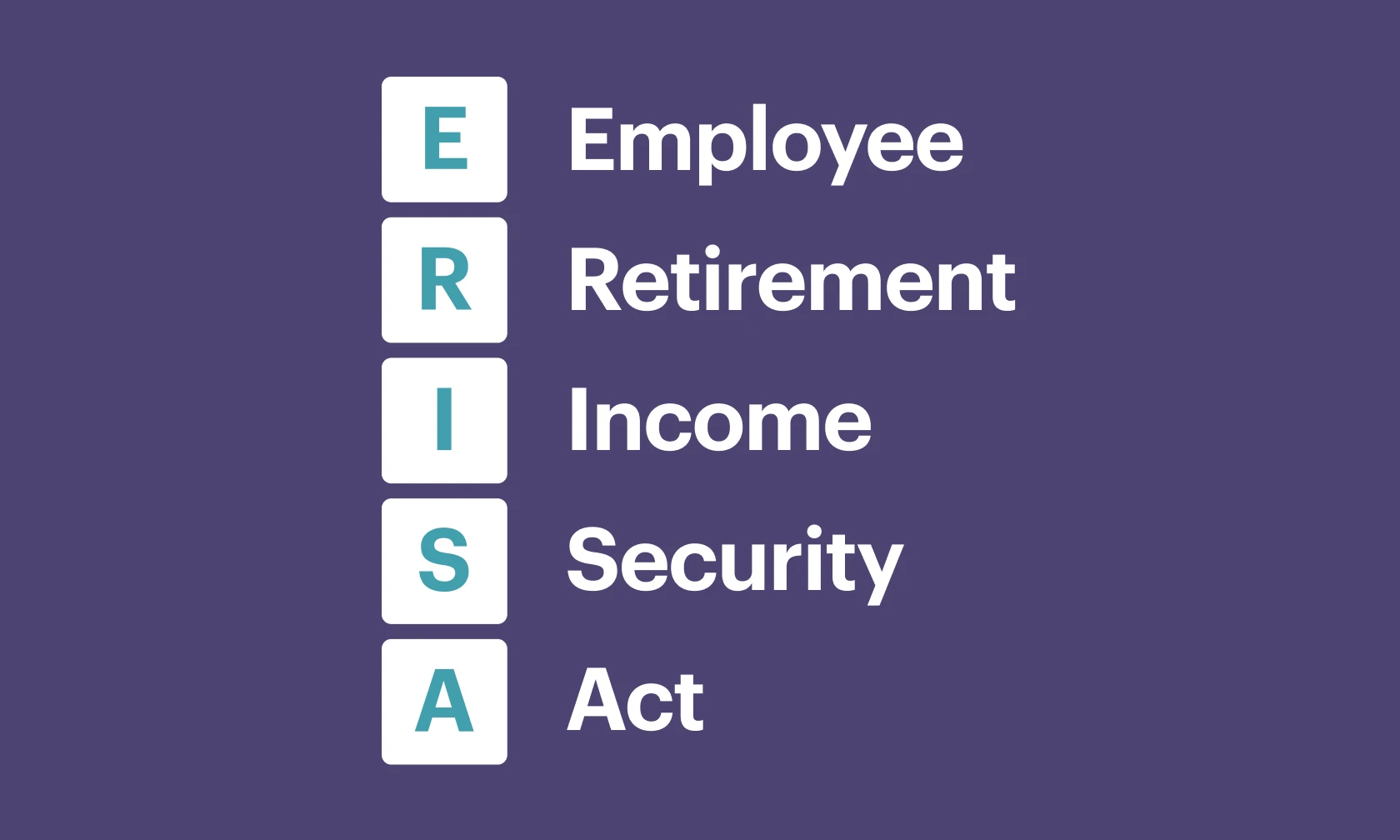
NDT testing is a set of tests designed to ensure that your 401k plan is in compliance with ERISA rules and regulations. It measures whether the plan is administered fairly and doesn’t overly benefit highly compensated employees (HCEs) or Key employees. There are three types of NDTs that you must complete annually, except for Safe Harbor plans which are exempt.

Why is NDT Required on an Annual Basis?

NDT was created to prevent company owners and highly compensated employees from unfairly receiving generous tax benefits. Because compensation and contribution levels change annually, it’s important to complete the tests every year to ensure the plan is ERISA-compliant.

What Happens if Your Company Fails the NDT?

Failing the NDT is common but requires immediate action to remedy the situation. Audit your employee classifications to ensure they’re correct. If your plan failed the ADP or ACP, one remedy is to make qualified, non-elective contributions to non-highly compensated employee plans. Here you’ll find remedies provided by the IRS.

Tips to Help Your Plan Stay ERISA-Compliant

If you can afford it, you can implement a Safe Harbor plan to avoid NDT requirements altogether. Also, choose an administrator with an informative dashboard and simple, clear interface to make it easy for employees to engage with their 401k. You can also provide non-highly compensated employees with continuing education on the importance of saving for retirement. Notify HCEs of their contribution limits and monitor contributions throughout the year, communicating any changes. 

The easiest way to avoid NDT? Switch to a Portable Retirement Plan (PRP) like Icon, which is an IRA-based retirement plan that simplifies administration and reduces costs. PRPs are not subject to ERISA rules and regulations – that means no annual reporting and no NDT requirements.

The Bottom Line: 

Even with diligence, it’s common for companies to fail their annual NDT. If this happens to you and your company, take immediate action to remedy the discrepancy and then consider offering a Portable Retirement Plan. A PRP is the most cost-effective way to offer employees the opportunity to save for retirement.

Why we need an alternative to the 401k

While there is no federal mandate that all companies with 5 or more employees offer workers a retirement savings plan, many states do require this. And it’s just good business. More than 60% of employees we surveyed responded they feel stressed about their finances and it’s estimated that employee stress costs U.S. companies $4.7 billion per week. Offering your employees a way to save for retirement is a key way you can help lower their financial stress as well as bolster your recruitment and retention efforts. But the 401k isn’t always the best way to do it. Here’s why.

The Problems 401ks Cause Employers

The 401k was created 50 years ago as a supplemental retirement plan to the pension as large companies began to phase out this type of employment arrangement. It was meant for large companies with a workforce that stayed put for decades. Because of this, the regulations that rule the 401k space create an inflexible, expensive plan and annual testing requirements that are easy for small and medium-sized businesses to fail. Even large companies experience problems with offering a 401k to their workforce. These are some of the most common problems 401ks cause employers:

  • Expensive annual non-discrimination testing. Every year, every company that offers a 401k must run a test to ensure their plan doesn’t unfairly benefit their high earning or key employees. If they fail this test they must either give back the requisite contributions to their high earners or key employees, and said employees will pay taxes on those amounts. Or they can make the necessary contributions to their non-high earning employees. It’s also common for small and medium sized companies to fail their compliance testing because they typically have a larger percentage of “rank and file” employees that contribute lower amounts to their 401ks.
  • Employers retain fiduciary duty to employees. As part of this duty, employers must make sure the fees charged to their employees are reasonable, the plan offers a sufficient amount of diversification and there are no conflicts of interest. For small and medium employers this is a very challenging threshold to meet because plan participants at their companies are more likely to be charged higher fees than employees at larger companies. Because fiduciary lawsuits have ballooned in the last 10 years, many companies have started carrying ERISA fiduciary liability insurance (which is an added operational cost).
  • Plans are expensive and complicated to set up, administer and maintain. 
  • Lack of portability leads to abandoned accounts. Since 401ks are tied to the employer, when employees leave they must either complete a complicated and costly rollover to their new employer’s 401k plan, cash out their balance or abandon their plan. Every year, 2.8 million accounts are abandoned which can cost employers additional fees and may require special handling.

The 401k No Longer has a Product-Market Fit with Modern Workers

Anyone who has started a new company or built or created a new product knows that one of the essential milestones to success is finding “product-market fit”. This is when your target demographic is buying, using and proselytizing your product and usually happens when you have figured out how to sufficiently solve a key problem for them. The 401k had product-market fit with boomers because they stayed at the same company for decades. For employees who move around a lot, or who are contract workers, it’s no longer an adequate solution. And there are more of them than you think.

In fact, in the last 10 years 94% of net employment growth came from 1099s and in 2025 it’s estimated that 50% of the workforce will be 1099 workers. That means 50% of the workforce won’t be eligible to contribute to a 401k.

Beyond that, millennials and Gen Z employees stay an average of 2.75 years at each company. If they work for 40 years, that’s about 15 companies. Which means they’ll have to keep track of 15 401ks or complete 14 rollovers in order to fully take advantage of their retirement savings plans. It’s no wonder that $92 billion in assets are cashed out each year at job change.

In addition to the non-portability of the 401k, and the fact that it won’t even be available to half the workforce in a few years, this type of retirement plan carries high fees that eat into participants’ savings and investment portfolios that are predetermined by their employer. This means the types of assets they can buy are limited and might not fit their needs. 

The modern worker needs a retirement plan that:

  • Moves with them from job-to-job-freelance-back to job.
  • Charges low fees so they can keep more of their savings.
  • Offers personalized investment options that can fit their diverse needs.
  • Is easy to use.
  • Is offered by their employer.

Icon is the Right Product Fit for the Modern Worker

Icon solves the problems inherent in a 401k for both the employer and employee alike.

For employers Icon:

  • Removes the fiduciary burden. Icon’s is an IRA-based plan so employers aren’t bound by ERISA regulations. Icon is an SEC-registered investment adviser and retains the fiduciary liability.
  • Removes the annual testing requirement. Again, since our plan is IRA-based, there are no non-discrimination rules to comply with.
  • Offers a turnkey retirement savings solution with a low, transparent fee structure.
  • Provides employee onboarding and education.
  • Provides companies with a clear and informative dashboard for easy plan monitoring.

For employees Icon:

  • Provides a portable retirement savings plan they never lost access to.
  • Provides high-quality, personalized and low-cost investment portfolios.
  • Provides access to a workplace retirement savings plan for every worker, even contractors.
  • Offers a clear and informative dashboard and app for easy plan management.
  • Gives them an easy and automatic way to save for their future.

Icon is the most cost effective way for companies to offer employees a retirement savings plan. If you’re interested in an alternative to the traditional 401k, reach out today.

Should Your Business Switch from CalSavers to Icon?

California law requires all employers with at least one employee in California to offer a retirement plan to their workers. The law was passed to help workers save for retirement, as many Californians were not saving enough to support themselves in their later years. Employers have two options to comply with this mandate: they can either use the state-run CalSavers retirement plan or they can choose a private-sector plan like Icon.

While CalSavers may seem like a good option, there are several reasons why small businesses should consider switching to Icon.

1. Icon is a Fully Automated Plan

Icon retirement plans remove the administrative burden from employers. You can set up your plan in minutes and we integrate with your banking and payroll partners. Once your plan is ready, we handle everything for you, including all enrollment and employee communications. You’ll have an easy to use dashboard so that you can easily review and monitor your plan. 

And unlike with a 401k plan, Icon plans never require plan testing, federal filings, and never make the employer the fiduciary. Icon is a payroll deduct IRA with auto-enrollment. Employees can opt out of the plan if they choose not to participate. 

2. We’re a Fiduciary 

One of the main benefits of using a private-sector retirement plan like Icon is that we’re a fiduciary with oversight of the investments. CalSavers offers only a limited number of investment options, which may not meet the needs of all employees. With Icon, employees’ savings are invested in a portfolio tailored to their needs. This allows employees to have a more personalized plan that is automatically managed for them. Employees can easily track their plan details through an easy to use interface. 

3. Lower fees

Another advantage of Icon is lower fees compared to CalSavers. While CalSavers fees are reasonable for the employer, they are higher than what many private-sector plans charge for the employee. Icon offers competitive pricing, which can help small businesses save money in the long run. Lower fees can also mean higher returns on investments, which can be a big benefit to employees.

4. Better customer service

Many small businesses may find that Icon offers better customer service than CalSavers. This is because we have dedicated representatives who can assist with setting up and managing retirement plans. This can be especially helpful for small businesses that may not have a dedicated HR department. Additionally, Icon may offer more personalized service and support, which can help employees make informed decisions about their retirement savings.

In summary, while CalSavers may seem like the easier option, small businesses should consider switching to Icon to take advantage of the investment options, lower fees, better customer service, and flexibility. By offering a retirement plan like Icon, small businesses can help their employees save for a secure retirement and stay competitive in today’s job market.

How to Comply with the California Retirement Mandate

In 2016, California passed legislation that requires all employers with five or more employees to offer a retirement savings plan. The goal was to address the retirement savings crisis in California, where approximately half of all private sector employees do not have access to a retirement savings plan at work. Employers have three main plan types that comply with the mandate: a 401k plan, CalSavers, and Icon Savings Plan.

A 401k plan is a well-known, widely used traditional retirement savings plan. It allows employees to contribute a percentage of their income, pre-tax, into their account. Employers can also choose to match a portion of their employee’s contributions. However, 401k plans can be expensive to set up and maintain, and smaller businesses may not have the resources to manage them.

Calsavers is a state-run program that was created to help small businesses offer a retirement savings plan to their employees. Calsavers is a payroll deduction Roth IRA, which means that contributions are made post-tax. Calsavers has no setup fees, but there is some administrative complexity that places a burden on employers. It is also very expensive for the employee that is contributing. In a recent study, two-thirds of employees indicated they prefer a private retirement plan over a state-run plan. 

The Icon retirement plan is another option for small businesses to comply with the California retirement savings mandate. It’s an innovative retirement savings plan that was specifically designed for small businesses. It’s easy to set up and maintain, with low fees and no hidden costs for employers and employees. Unlike Calsavers, Icon Savings Plan is a fully digital, turnkey plan that easily integrates with banking and payroll providers, removing all administrative burden from employers. 

Icon Savings Plan also offers several unique features that make it the best option for small businesses. For example, it offers flexible contribution options, allowing employees to contribute a fixed dollar amount. It also offers a personalized investment experience, with investment options tailored to each employee’s risk tolerance and investment goals. In addition, Icon provides employees with access to financial wellness tools and resources, such as educational materials and live events with retirement specialists.

Overall, Icon Savings Plan is the best option for small businesses that want to comply with California’s retirement savings mandate. It is affordable, easy to set up and maintain, and offers unique features that can help employees save more for retirement. By offering a retirement savings plan like Icon, small businesses can not only attract and retain talented employees and help secure their financial future, but remain compliant in the eyes of California as well.

Yes! You can Still Make Contributions to Last Year’s IRA

Whether you realized that you didn’t contribute as much to your IRA last year as you wanted to, or you’ve received a year-end bonus or another form of cash that you want to invest, there’s still time to make IRA contributions that count toward last year’s annual limit. When you make a contribution this year that counts towards last year’s limit, it’s called a carryback contribution. These types of contributions can serve many purposes and come with a range of benefits.

What is a Carryback Contribution?

A carryback contribution is a deposit to a Roth or Traditional IRA between January 1st and April 15th (or tax day) that is designated as a contribution for the previous year.

How Do You Make a Carryback Contribution?

To make a carryback contribution, you must:

  • Have earned taxable income in the previous tax year.
  • Have not reached the annual IRA contribution limit for the previous year.
  • Make the contribution before you file your taxes for the previous year or Tax Day, whichever comes first.

To ensure your contribution is counted toward the previous year’s annual contribution limit and that the deduction is taken from your income taxes, you or the IRA account holder must provide the financial institution with a written statement saying said contributions should be designated as a carryback. Your financial institution may have other specific requirements or processes to designate contributions as carryback so make sure you check with your account administrator for instructions.

How Much Can You Contribute?

The IRS sets the annual contribution limits for all retirement accounts each year. The IRA contribution limit for 2022 was $6,000, in 2023 it’s $6,500. If you turned 50 or older by the end of the tax year, you can contribute an additional $1,000 “catch-up” for a total of $7,000 in 2022 and $7,500 in 2023.

The maximum amount you can contribute to your IRA is the lesser of: your annual income for the taxable year or the annual contribution limit. Your carryback contribution can total the difference between your maximum allowable annual contribution and the amount you contributed during the previous year.

What if You Don’t Have an IRA Yet?

If you haven’t yet set up an IRA, you still have time to do so and make a carryback contribution up to your annual limit. The great thing about carryback contributions is that they don’t just apply to people who already have an IRA. Even people who didn’t have an active IRA before the end of the previous year can open and fund an account before they file their taxes (or tax day) and apply those contributions to the previous year.

Are Carryback Contributions Tax-Deductible?

For the most part, yes. Contributions made to a Traditional IRA are tax-deductible in the year they are made (or the year for which they’re designated) and distributions are subject to the appropriate income tax. If you aren’t covered by a workplace retirement plan in the form of a 401k, your entire carryback contribution will be eligible for deduction on your previous year’s taxes.

If you are covered by a 401k, your ability to deduct your Traditional IRA contributions will depend on your income and filing status.

Filing StatusModified AGIDeduction
Single or Head of Household$68,000 or lessFull Deduction
Single or Head of Household$68,001- $77,999Partial Deduction
Single or Head of Household$78,000 +No deduction
Married Filing Jointly or Qualified Widow(er)$109,000 or lessFull deduction
Married Filing Jointly or Qualified Widow(er)$109,001- $128,999Partial Deduction
Married Filing Jointly or Qualified Widow(er)$129,000 + No Deduction
Married Filing SeparatelyLess than $10,000Partial Deduction
Married Filing Separately$10,000 or moreNo Deduction

To clarify, you can always contribute up to your annual limit (i.e. the lesser of the IRS limit or your annual income), you just might not be able to deduct the full amount from your tax bill. That’s because the IRS doesn’t want the favorable tax treatment these accounts receive to disproportionately benefit wealthy taxpayers.

Who Should Consider Making Carryback Contributions?

There are many benefits to making carryback contributions, which include:

  • Maxing out your retirement savings.
  • Growing your savings at a faster rate because of compound interest.
  • Saving money on your taxes.
  • Putting extra cash flow to work instead of spending it.

These benefits can apply to anyone, but for people in the following situations, a carryback contribution might be especially advantageous:

  • You received a bonus or other unexpected cash flow at the end of the year or early this year. Making a carryback contribution enables you to put this influx of cash to work without dipping into this year’s contribution limit.
  • You earned more last year than you expect to earn this year. In this scenario, taking the tax deduction on last year’s taxes might save you more money.
  • You didn’t max out last year’s contributions but expect to have increased cash flow this year and the ability to contribute more. If you have the ability to contribute more than the annual limit this year, and didn’t max out last year, making a carryback contribution enables you to take full advantage of your improved financial circumstances and max out your savings.
  • You’ve maxed out your 401k. In this scenario, a carryback contribution would allow you to maximize your total retirement savings opportunities.

Should You Make a Carryback Contribution if You Can’t Deduct It?

This will depend on your personal financial circumstances and the other investment opportunities available to you. But there are many benefits to funding your retirement savings accounts, separate from the tax deductions. The principal benefit is that you are investing in your future and taking advantage of compound interest.

According to the EBRI, there is currently a retirement savings gap between what is estimated Americans will need to live comfortably when they retire, and what they have saved. Even the “baby boomer” generation, which is the wealthiest generation in US history, is facing a cash flow crisis in retirement. The fact of the matter is, inflation, market forces and the exponential rise in the cost of medical care has all but ensured that people underestimate what they will need to have saved in order to retire. 

So, the more you can save for your golden years, the better. Making a carryback contribution helps you to save more because it allows you to max out your retirement savings deposits for both the previous and present tax years. And the more you save, the faster your savings grow because of the way those earnings compound over the years.

Want to Open an IRA? Icon can Help

Icon Savings Plan is the most cost-efficient way to save for retirement. As long as you earned taxable income last year, we can help you open an IRA and make a carryback contribution to get started on your retirement savings goals. If you’re ready to take control of your financial future, reach out today.

*Disclaimer: This is not tax advice. Please consult a tax expert before making any decisions.

Most Americans Report Feeling Financial Stress, But It’s a Solvable Problem

Much has been written about the financial stress and anxiety the Covid-19 pandemic caused amongst the US workforce. And a recent study conducted by the Icon Retirement Innovation Research Center confirms that most Americans (63%) still feel stressed about their finances. But this phenomenon is not new. It was not created by the pandemic, just exacerbated by it. Instead, a lack of financial literacy and a workforce that largely lacks access to workplace retirement plans has steadily built the wave of financial stress Americans are experiencing today. Luckily, there is something employers can do about it, and Icon is here to help.

The Data

In 2021, FINRA (the Financial Industry Regulatory Authority) published a report on financial anxiety, stress and literacy in American workers. It collected its data between 2018 and 2020, when the economy was in expansion and the U.S. was experiencing record-low unemployment. Despite these favorable economic conditions, the study found results similar to Icon’s: that 60% of respondents felt anxious when thinking about their finances. More than half weren’t saving money and 20% had accumulated debt.

So during a period when individuals should have been able to improve their financial situation, more than half were not able to do so. Why? There are many factors that both FINRA and Icon found that correlated with problematic financial behaviors like lack of savings. But it’s a lack of financial literacy and access to a workplace retirement plan that are the two hurdles most people couldn’t overcome despite being completely solvable.

In terms of financial literacy, FINRA defined financial literacy as being able to demonstrate a basic understanding of financial terms like interest rates, inflation, and risk diversification. In their study, they found that 63% of financially illiterate people reported feeling financially anxious vs. 51% of financially literate respondents that reported feeling that way.

The FINRA study also found a link between low financial literacy and problematic financial behaviors like overdrawing their checking account and accruing expensive credit card debt.

What can Employers Do?

Employers can provide workers opportunities to save, starting with a retirement plan, and increase workers’ financial knowledge and awareness in the process. Why start with a retirement plan? Those feeling financially anxious are less likely to plan for retirement and need access to a plan through work. And retirement planning is a strong indicator of wealth and a good indicator of how savvy people are about how to use their resources.

Icon found that ⅔ of workers don’t trust their own financial decision making. So they look to their employers to help them save for retirement. If these workers are among the 81 million who lack access to a workplace retirement plan, they’re not likely to feel comfortable investing on their own.

The current 401k-dominant retirement system has created a wealth gap between those whose employer offers this benefit and encourages saving, and those who don’t have access to a retirement plan. The result is generational financial stress and illiteracy get passed down, making it very difficult for people to improve their financial situation.

How Icon can Help

The retirement system as it exists today is broken. It only covers W2 workers who have been at their company for a certain period of time and each 401k plan is an island unto its own. Meaning, 401ks can’t be connected even if they’re owned by the same person. The results are:

  • An estimated 80 million American workers don’t have access to a retirement plan.
  • There’s more than $1 trillion sitting in abandoned 401ks.
  • Over 20% of all 401ks are lost or forgotten.
  • There’s an estimated $3.68 trillion gap between what Americans will need in retirement and what they have saved.
  • Two classes of savers. Plans with larger asset balances pay lower fees than smaller plans, which means it takes employees of smaller companies longer to reach their financial goals than their counterparts at larger employers. 

We need a new system to save for retirement and that’s exactly what Icon has built. Icon’s plan is a retirement savings benefit that enables employers to offer every worker, regardless of classification, a way to achieve financial stability. Our fees are transparent and the same whether you have five employees or 500. Our plans are also portable. This means workers never lose access to their retirement savings. When they leave your company, we simply “unplug” them from your system and “plug” them back into that of their next employer.

Employees want to save. They want to feel like they have more control over their finances and their future. Most also need their employer’s help in doing so. 

What employees don’t want is to navigate a complicated and expensive system. They don’t want to have to read (and understand) complicated plan documents in order to discern how much they’re paying in fees and how they’re supposed to roll old accounts into new ones (or if they’re even allowed to do it). They want saving for retirement to be easy so they can focus on their actual job.

We’ve created a retirement benefit that allows them to do just that. Changing the tide of financial anxiety and illiteracy and lack of savings will take time and continuous effort. But with Icon, employers can help their workers invest in their futures and by doing so, show their workers the company is invested in them. 

If you’re interested in learning more about Icon and how we can help you reduce your employees’ financial stress, reach out to a retirement specialist today.

The CalSavers Deadline Has Passed… What Happens Next?

Whether you’re a California-based company with 5 or more eligible employees, or you’re a company with 5 or more California-based eligible employees, June 30th was an important deadline for you. By this date, by law, you were supposed to have either enrolled your eligible employees in the CalSavers retirement plan or sponsored your own plan. 

If you didn’t, you might be subject to fines. If you did, and you went the CalSavers route, you might be running into some user-satisfaction issues. Icon can help you deal with both.

I Missed the June 30 Deadline, Now What?

If you missed the June 30 deadline and didn’t set up your eligible employees with a retirement plan, we have two pieces of good news. First, you still have time before fines are assessed. In fact, you have 90 days from the deadline (September 28th) to get your retirement plan up and running before you’ll have to pay any fines. 

Second, Icon is an easy and cost-effective way to comply with the CalSavers mandate, we can get you signed up and onboarded in minutes. We are a payroll IRA that links with your payroll provider to take employees’ contributions directly from their paychecks. Since we’re an automatic enrollment payroll deduct IRA and not a 401k, there’s no financial reporting or fiduciary responsibility on your part and we take on the administrative duties of employee onboarding and communication and plan maintenance and administration. All you need to do is provide your payroll information and approve employees’ contributions.

If you choose not to sign your employees up for a retirement plan within 90 days of the June 30 deadline, you will be subject to fines of $250/eligible employee. If, at 180 days after the June 30 deadline, you still haven’t provided your employees with a way to save for retirement, fines of $500/eligible employee will be levied against your company.

Beyond the financial penalties, you might find it difficult to attract and retain employees unless you can offer them a retirement savings benefit. The consultancy firm, WTW, recently surveyed employers of various sizes, across several industries, and found that 55% of the companies expected to have retention issues in the next two years. And 36% were planning to use their retirement benefits package as a way to attract and retain talent. So if you want to compete, you will need a retirement plan that employees will actually want to use. 

Icon is that plan. With low fees, and easy plan management, Icon’s retirement plan is user friendly and customizable so every worker can find what they’re looking for. On top of that, employees own their Icon plan and can take it with them wherever they go. They never lose access to it, retaining the ability to both contribute to and manage their retirement savings plan no matter where they work.

I Signed up for CalSavers Before June 30, am I Stuck with It?

CalSavers has helped get more California workers saving for retirement, and that’s a good thing. But it’s far from the ideal retirement plan. Many employers and employees alike have found it to be a challenging system to navigate and inflexible. CalSavers also charges asset-based fees of between 0.825% and 0.95%, whereas Icon’s average fund fee is 0.07%. Lower fees help your employees grow their savings faster.

So if you signed up for CalSavers but you’re unsatisfied with your choice, we have good news. You can unenroll your employees from CalSavers and roll their accounts into an Icon retirement savings plan. Icon makes account management easy with a clean and informative dashboard. We also make it easy to rollover old accounts so your employees can start saving more, faster.

If you’re interested in rolling your CalSavers accounts into Icon retirement savings plans, reach out to a representative today. We’ll walk you through the process.

Why You Need to Offer Your Employees the Right Retirement Savings Plan

To be successful, companies need healthy, focused, talented, and productive workers. They need to retain those workers so they’re not constantly recruiting and training new people, and suffering lost productivity due to losing institutional knowledge. In order to attract and retain the talent, companies need to be successful and give employees the support they need. According to a recent survey by PwC, support means caring about employees’ financial well being. 

PwC surveyed more than 3,000 workers across various industries and found that 56% were stressed about their finances and 1 in 4 had less than $1,000 saved for retirement. The workers who were stressed about finances reported using up to 3 hours of work time or more to deal with their financial worries, 18% said it had negatively affected their productivity at work and 15% said it had negatively affected their attendance. On top of that, 76% of the financially stressed employees said they were attracted to another company that cared more about their financial well being. 

Many workers are struggling and one way employers can help them feel in control of their financial future is to offer a retirement plan that makes saving easy. Since Icon charges low fees, employees will see their savings grow faster, which can give them a sense of security. Icon’s plan is easy to understand and use and we offer support to both plan participants and employers so everyone has the opportunity to be successful in reaching their financial goals.

Icon’s Companion Plan: A New Way to Help Your Employees Save More

Icon’s 2022 small business survey found that 92% of employees contributing to a 401k want an additional tax-advantaged way to save for the future. That means to remain competitive as an employer, you must provide a comprehensive benefits package that enables all of your workers, from W2 to 1099, a way to achieve financial security beyond traditional offerings. Now, that’s possible with Icon’s Companion Plan.

What is Icon Companion?

Icon Companion is the new, smart way to help your employees build financial security in addition to their 401k plan. It’s easy to set up, integrates with payroll, and is a fraction of the cost of a 401k. Why? Because Icon leverages technology to automate administrative work and keep costs low, allowing us to pass those savings on to our customers. 

How Does it Work?

Icon’s Companion Plan works similarly to your 401k in that contributions are automatically deducted from worker’s paychecks and invested in a retirement account. 

There are some big advantages with Icon: no federal reporting requirement, no discrimination testing, and no rebalancing needed because it’s set up as a smart, online payroll IRA. All employers need to do is provide payroll information and approve their employees’ elections. Icon handles the rest.

In fact, Icon is a turnkey plan that includes full-service recordkeeping, employee onboarding, portfolio management, and compliance. And because it’s portable, you’ll never have an orphaned account. When an employee leaves the company, they retain access to their Icon account and can continue saving. No rollovers needed. 

What are its Benefits?

Employers gain a cost-effective recruitment and retainment tool that doesn’t just sound good, it actually provides employees with a real benefit. Icon’s Companion Plan can be offered to 1099 workers, so if you’re a company that relies on independent contractors, it can help you keep this valuable talent happy. You’re also helping your employees reach financial goals and security, which can lower financial stress, leading to happier, more productive workers.

Employees gain another tax-advantaged way to save for their financial futures that can help them build financial security. Our low-cost portfolios are tailored to the individual employee and easy to manage from the dashboard. Icon’s portability feature is also a huge benefit because employees will never lose access to their account nor will they have to complete a confusing or expensive rollover.

Icon’s Companion Plan is an easy, cost-effective way to stay competitive in a tight labor market while providing your employees with a retirement plan that is a true benefit. And it helps all your employees (W2 and 1099) to become more financially secure so they’re less likely to experience financial-related stress, leading to a happier, more productive workforce. Icon’s Companion Plan is the retirement plan for the modern workforce.